
How to Potty Train an Older Dog: Proven Tips to Avoid Frustrating Accidents!
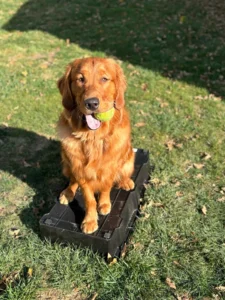
Potty training an older dog is possible, but the plan needs to account for health, previous habits, and physical comfort. Whether you have an adult rescue who has never learned your household routine or a senior dog experiencing new accidents, start with frequent bathroom opportunities, active supervision, and positive reinforcement.
Direct answer: To potty train an older dog, first investigate new or persistent accidents with your veterinarian. Choose an accessible potty area, take your dog there regularly, and reward immediately after they finish. Indoors, supervise closely, clean accidents thoroughly, and adjust the routine to your dog’s actual needs.
This guide covers house training and retraining adult and senior dogs at home, including practical considerations for Dayton owners. Training can help teach a location and routine, but it cannot restore bladder control lost to illness or replace medical treatment.
Understanding Potty Training for Older Dogs
Potty training an older dog covers two common situations: teaching a dog who has never learned indoor bathroom rules, and helping a previously reliable dog whose habits have changed. A new home, unfamiliar surfaces, stress, pain, and urinary problems can each affect the starting point.
Some healthy adults have more bladder control than puppies, but that does not establish a universal holding time or guarantee faster learning. Senior dogs may need more frequent breaks and environmental changes even when they understand where to go.
How Age and Health Affect Potty Training
Arthritis can make stairs or a distant door difficult to reach. Changes in vision, hearing, or cognition may also interfere with familiar routines. Some illnesses and medications increase thirst, urine production, or urgency.
VCA’s guidance on senior behavior changes explains how physical illness, mobility limitations, and cognitive changes can contribute to house soiling. These concerns need assessment rather than being dismissed as normal aging or stubbornness.
Contact your veterinarian for sudden accidents, blood in urine, straining, increased thirst, leaking during sleep, or discomfort moving outside. Training and medical causes can overlap; a dog may need treatment alongside a new routine.
If your dog strains and passes little or no urine, seek urgent veterinary attention. Inability to urinate is an emergency. The American College of Veterinary Surgeons explains that urinary stones can obstruct urine flow and require immediate treatment.
Behavioral History and Learned Habits
An adult dog’s past environment can influence potty habits. A dog accustomed to outdoor living, kennel surfaces, or pee pads may need help learning the location you want them to use. Avoid assuming that every shelter dog has the same history.
Surface preferences can matter. A dog familiar with concrete may hesitate on grass, while another may look for an absorbent pad. Start with an accessible surface your dog can use comfortably, then introduce changes gradually.
Past punishment can make a dog reluctant to eliminate near people. Never punish indoor accidents. Calm supervision and rewards help rebuild confidence while you teach the desired location.
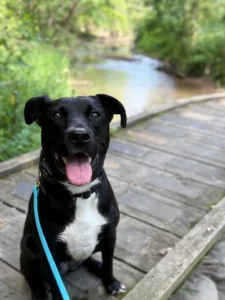
Creating a Realistic Potty Training Plan
A solid plan covers four elements: a consistent schedule, a designated potty area, a supervision strategy, and a reward system. Keep it simple enough for everyone in the household to follow.
Setting a Schedule for Adult and Senior Dogs
Base bathroom opportunities on health, activity, and the pattern you observe. Do not assume that an adult dog in training can comfortably wait through a workday or that all seniors need the same interval.
Start with frequent daytime opportunities, such as about every two hours if appropriate, and shorten that interval when needed. Offer additional trips after waking, meals, drinking, activity, and confinement, and before bed. Follow veterinary advice when a medical condition affects timing.
Example routine, with extra trips added as needed:
- 6:30 a.m.: Go to the potty area immediately after waking.
- After breakfast: Offer another opportunity and observe your dog’s usual timing.
- Morning: Add regular breaks and respond to sniffing, circling, or restlessness.
- Midday: Provide a caregiver-assisted break if you are away.
- Afternoon: Continue opportunities at intervals your dog can manage.
- After dinner: Offer another trip.
- Before bed: Take your dog out again; add overnight help when needed.
This example is not a fixed number of daily outings. Arrange enough visits or other appropriate care if your schedule exceeds your dog’s needs.
Keep a potty log noting meals, drinks, outings, successful elimination, accidents, and relevant symptoms. Use it to adjust timing instead of following a preset training deadline.
Choosing an Accessible Potty Area
Choose a quiet, low-distraction spot that is easy to reach. Returning to the same area initially can make the routine clearer, but comfort and access matter more than insisting on one surface.
For dogs with mobility limitations, consider a suitable indoor grass station, absorbent pad, or tray. Place it away from bedding and food, and make sure your dog can enter without struggling over a raised edge.
Provide good lighting and traction on the route. In cold or wet weather, use a sheltered option when available and avoid slippery steps. Do not require a painful or frightened dog to navigate an unsafe route just to maintain an outdoor-only rule.
Using Rewards and Verbal Cues
Use a small reward your dog enjoys and can safely eat. Choose treats compatible with any prescribed diet or swallowing concerns, and ask your veterinarian if you are unsure.
Reward immediately after your dog finishes, while you are still at the potty spot. Calm praise can accompany the treat. Avoid interrupting elimination with a loud celebration.
Say a cue such as “go potty” as your dog begins to eliminate. With repeated pairing, the phrase may help communicate what the outing is for. It does not create a need to urinate or guarantee elimination on command.
Step-by-Step: How to Potty Train an Older Dog
Daily Routine and Supervision
- Take your dog to the potty area after waking. Use a comfortable leash or harness when needed and stay nearby.
- Give them time to sniff and eliminate. Keep the outing calm.
- Reward after they finish. Give the reward at the location rather than after returning indoors.
- Supervise between trips. Use the same room, gates, or an attended leash when suitable.
- If they do not go, return indoors under close supervision. Offer another trip soon or when they show signs.
- Record accidents and adjust. Review timing, access, comfort, and possible health changes.
Recognize signals such as pacing, purposeful sniffing, circling, or heading toward the door. Respond promptly, but do not wait for a learned signal before offering scheduled breaks.
If you use a leash indoors, remain awake and attentive. Never leave a tethered dog unattended, and avoid arrangements that could cause a fall or snag.
Feed at consistent times according to your dog’s dietary plan. Provide normal access to fresh water unless your veterinarian gives different instructions. Limiting water to prevent nighttime accidents can hide a problem without addressing its cause.
Using Crates and Confinement Humanely
A crate can help some dogs rest safely between outings when it has been introduced gradually. It does not prevent involuntary leakage or make a dog capable of waiting longer.
Choose a crate that allows standing, turning, and comfortable lying positions. Provide suitable bedding, ventilation, and water access. A dog with arthritis may need more room or a pen rather than a conventional crate.
Introduce confinement with the door open, voluntary entry, and brief periods that end while your dog is comfortable. Increase duration gradually. Humane World for Animals’ crate-training guidance emphasizes gradual introduction and avoiding excessive confinement.
Do not use a crate as punishment or leave your dog confined past their bathroom or comfort limits. Distress, escape attempts, or repeated soiling call for reassessing the setup and seeking appropriate help.
A pen or gated area with a separate toileting station may be necessary if your dog cannot wait between outings. Keep the resting area clean and comfortable.
Moving Toward Long-Term Habits
Extend intervals only when your dog is consistently comfortable and successful. Change one part of the routine at a time and watch for accidents or urgency. Medical needs may mean that frequent breaks remain necessary.
Expand room access gradually under supervision. If accidents return, shorten intervals and review the cause instead of automatically assuming disobedience.
Indoor Potty Options and Professional Support
When an Indoor Potty Area Makes Sense
Indoor options can support dogs with mobility limitations, urgent bathroom needs, or difficult outdoor access. They may be temporary or a long-term accommodation.
- Grass stations: Choose a stable, accessible tray and follow cleaning instructions.
- Absorbent pads: Provide a clear location and prevent access if your dog chews or swallows them.
- Potty trays: Select a size and entry height that suit your dog.
Lead your dog to the station at likely bathroom times and reward successful use. If an outdoor transition is appropriate, make changes gradually while continuing frequent outings. Do not remove a needed indoor option simply because a set number of weeks has passed.
What Professional Training Can Help With
A qualified trainer can review reward timing, supervision, and the household routine. Fear or anxiety may require veterinary behavior support as well. Obedience instruction does not treat urinary infections, incontinence, or cognitive disease.
Dayton owners can review the available dog training services and ask whether a published option fits an adult or senior dog’s specific needs. A standard in-home package is not currently listed, and board and train should not be presented as guaranteed treatment for house soiling.
Ask what the program addresses, how your dog’s health and mobility will be accommodated, and what owner instruction is included. Daily bathroom care and follow-through remain necessary after professional training.
Common Potty Training Challenges
Frequent Accidents in the Same Spot
Residual odor may encourage repeat use of a location. Clean with an enzymatic pet-urine product suitable for the surface, following its directions for application, contact time, and drying.
Do not assume every cleaner works on every material, and do not automatically saturate flooring or upholstery. Temporarily block access when practical while providing frequent opportunities at the intended potty area.
Your Dog Refuses a New Outdoor Surface
Unfamiliar texture, pain, weather, or fear may make a spot difficult to use. Try a quieter location and allow comfortable exploration. A familiar pad or surface can sometimes help with a gradual transition.
Reward successful elimination separately from any confidence-building rewards for exploring. Repeated squatting without producing urine should be assessed medically rather than treated as a training attempt.
Nighttime Accidents
Offer a final bathroom opportunity before bed and observe when overnight problems occur. Some seniors need an additional outing or an accessible indoor station. Choose timing based on their pattern rather than a universal alarm time.
Keep water available unless your veterinarian instructs otherwise. New accidents, wet bedding, increased thirst, or discomfort warrant veterinary assessment. VCA’s house-soiling guidance explains why medical, behavioral, and environmental causes may overlap.
Urine Marking
Marking often involves small amounts of urine, sometimes on vertical surfaces. It can relate to social communication, stress, or hormonal influences, but the amount and location alone do not establish the cause.
Supervise, clean affected spots, and reduce access to repeat targets while you investigate triggers. If a belly band is used temporarily, change it promptly when wet and check the skin. It is a management aid, not treatment or a substitute for bathroom breaks.
Discuss neutering and other medical decisions with your veterinarian. New or frequent small urinations should not automatically be labeled marking.
Frequently Asked Questions
How Long Does It Take to Potty Train an Older Dog?
There is no fixed timeline. Health, previous habits, access, and consistent care affect progress. Judge improvement by your dog’s actual pattern rather than expecting reliability within a certain number of weeks.
Is It Too Late to Potty Train a 10-Year-Old Dog?
Age alone does not prevent learning. Start with a veterinary assessment when accidents are new or persistent, then adapt the routine to your dog’s comfort and ability. Some seniors need ongoing management alongside training.
Should I Use Pee Pads for a Senior Dog?
Pads or an indoor grass station can be appropriate when outdoor access is difficult. Keep the location clear and accessible, and reward its use. An indoor option can remain long-term when it supports your dog’s needs.
Why Is My House-Trained Dog Suddenly Having Accidents?
Medical problems, medication effects, stress, and environmental changes can contribute. Arrange a veterinary examination rather than assuming the dog is refusing to follow rules. Record symptoms and timing to help with assessment.
Can Professional Training Help With House Soiling?
Training may help with an incomplete routine, supervision gaps, or learned location preferences. It cannot resolve medical causes of involuntary elimination. Confirm that the provider addresses your specific concern before enrolling.
How Do I Potty Train a Rescue Dog Who Lived Outside?
Begin with frequent outings, an accessible potty location, supervision, and rewards. Observe what the dog already understands instead of assuming they have no previous training. Introduce new surfaces gradually and adjust the schedule to their needs.
What Should I Use to Clean Accidents?
Use an enzymatic pet-urine cleaner approved for the affected surface. Follow the label rather than relying on a universal soaking method. Cleanup reduces lingering odor, but frequent opportunities and appropriate care are still necessary.
Conclusion and Next Steps
Knowing how to potty train an older dog means matching the routine to the individual. Frequent opportunities, accessible locations, close supervision, and immediate rewards help teach the habit. Health problems and involuntary leakage need veterinary care, not stronger correction.
Start a potty log, prepare suitable cleaning supplies, and make the bathroom route easier to navigate. Adjust the schedule based on comfort and success, and continue providing appropriate care even after habits improve.
If you need help reviewing the plan, schedule a free consultation to discuss your dog’s situation and available options in Dayton, Ohio. Confirm program suitability before enrolling and keep your veterinarian involved when health concerns affect house training.
Would you like a certified trainer to contact you?
PPC Contact Form
"*" indicates required fields
