
At What Age Can You Start Training a Puppy? The Ultimate Guide to Amazing Results!

You can start training a puppy as soon as they come home, commonly around eight weeks old. Begin with gentle, reward-based lessons that teach everyday habits: responding to their name, going potty outdoors, resting comfortably, and following simple cues.
You do not need to wait until six months to teach basic manners. However, starting home training is different from enrolling in a class or allowing unrestricted access to public places. Vaccination status, health, local disease risks, and program requirements matter.
The goal is steady progress, with expectations that match your puppy’s attention span and comfort.
What to Teach When Your Puppy Comes Home
Name Recognition and Simple Cues
Say your puppy’s name once in a quiet room. When they turn toward you, mark the response with “yes” and offer a small reward. Practice a few repetitions, then take a break.
Introduce sit by rewarding the position when it happens or gently guiding your puppy with a food lure. For recall, start a short distance away indoors and reward them for coming toward you. Avoid repeating cues when your puppy is confused; make the task easier instead.
Potty Routines and Crate Comfort
Offer bathroom opportunities after waking, eating, and playing. Supervise indoors and reward outdoor elimination immediately after your puppy finishes. Young puppies need frequent breaks, and accidents do not mean they are deliberately misbehaving.
Introduce a crate gradually through treats, meals, and brief comfortable visits. Keep the door open initially, then build short closed-door periods while watching your puppy’s response. A crate should not replace bathroom breaks or become a place where distress is ignored.
Handling and Leash Introductions
Pair brief, gentle touches to paws or ears with rewards. Let your puppy move away when uncomfortable.
Introduce a leash and suitable harness during supervised indoor practice. Reward a few steps beside you before asking for longer walks.
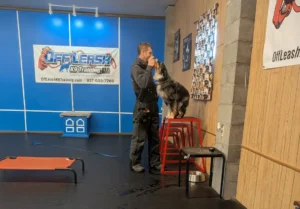
Safe Socialization Before Full Vaccination
Socialization means helping your puppy develop comfortable responses to everyday experiences. It does not require greeting every person or playing with unfamiliar dogs.
The American Veterinary Society of Animal Behavior’s socialization guidance identifies the first three months as especially important. It supports safe, positive exposure before puppies finish their vaccination series, while avoiding overwhelming situations.
At home, introduce different surfaces, quiet household sounds, and calm visitors. Carrying your puppy in suitable settings can offer new sights without contact with contaminated ground. Ask your veterinarian which locations and dog interactions are appropriate locally.
Avoid dog parks and heavily trafficked areas used by dogs of unknown health or vaccination status. A clean, controlled class differs from unrestricted public exposure.
If your puppy freezes, retreats, or appears frightened, increase distance or stop. Do not force an interaction to complete a checklist. Early experiences matter, but learning continues beyond puppyhood; missing one experience does not make future improvement impossible.
An Age Guide for Puppy Training
Around Eight to Twelve Weeks
Prioritize routines, name recognition, short recall games, crate introductions, and gentle handling. Keep lessons brief enough that your puppy remains interested, often just a few repetitions.
Build training into daily life. Reward calm behavior before meals or when your puppy chooses an appropriate chew toy. Provide sleep and opportunities to explore safely.
Around Three to Six Months
Continue basic cues while gradually adding duration, distance, or distractions. Change one element at a time. If sit works in the kitchen, practice before expecting the same response beside a busy sidewalk.
Introduce short waits, settling on a mat, and loose-leash walking in veterinarian-approved settings. Progress depends on practice and the puppy, rather than reaching a particular birthday.
During Adolescence and Beyond
Growing dogs may become more distracted, and previously easy tasks can become harder. Return to simpler practice and increase rewards for successful responses.
Continue recall practice with a leash or long line in appropriate areas. Age alone does not establish off-leash readiness. Follow local leash rules and protect your dog from traffic and other hazards.
Adult dogs can also learn. Adjust the pace to their health, experience, and current abilities rather than assuming the opportunity has passed.
When to Choose Professional Puppy Training
Professional help can begin with guidance on routines and early learning.
AVSAB states that suitable puppy socialization classes can begin around seven to eight weeks. Its recommendations include at least one vaccine set seven days before class, initial deworming, and ongoing vaccinations. Confirm your veterinarian’s advice and the provider’s enrollment requirements.
For puppy owners in Dayton, Ohio, Off Leash K9 Training offers several options to help build good habits early. These include a Puppy Training Consultation for house-training guidance and early obedience, Basic Marker Mastery™ for reward-based foundational skills, and an Online Puppy Training Course for learning at home.
Explore our puppy training programs and current pricing, or contact our Dayton team to discuss the right starting point for your puppy’s age, health, and training needs.
Fear, guarding, or sudden behavior changes warrant individualized assessment. Persistent crate distress also deserves professional guidance
Frequently Asked Questions
Can I Start Training My Puppy at Eight Weeks?
Yes, start with brief, reward-based practice and predictable daily routines. Focus on engagement and simple skills rather than long stays or reliable responses around heavy distractions.
Should I Wait Until My Puppy Is Fully Vaccinated?
You can begin home training before the vaccination series is complete. Discuss safe socialization locations and class participation with your veterinarian instead of postponing all learning or assuming every public setting is suitable.
What Should I Teach My Puppy First?
Start with their name, bathroom routines, comfortable handling, and positive introductions to resting areas. These skills can develop together through short interactions throughout the day.
When Can I Start Leash Training?
Begin supervised leash introductions at home when your puppy arrives. Gradually practice walking in appropriate outdoor settings as your veterinarian advises, rewarding movement beside you without pulling or dragging.
Is Six Months Too Late to Start Training?
No, a six-month-old puppy can still learn basic manners and new habits. Begin with manageable tasks and consistent rewards, then increase difficulty as their skills improve.
Start With a Practical Plan
Choose one routine and one simple skill to practice today. Contact the Dayton team for guidance on suitable puppy training options.
Would you like a certified trainer to contact you?
PPC Contact Form
"*" indicates required fields
