
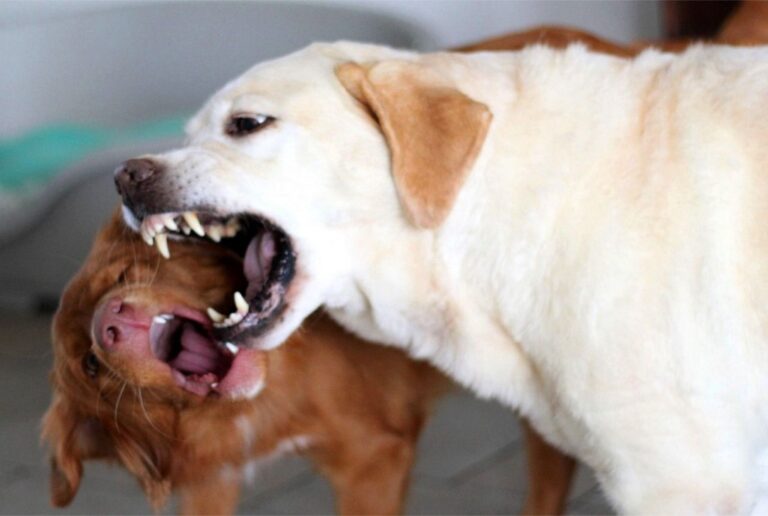

Unlocking the Power of the Vagus Nerve: Elevate Your Dogs Training with Play and Emotional Balance
Discover how understanding the vagus nerve can enhance your dogs play and reactivity training for better behavior and emotional stability.

Understanding the Vagus Nerve in Dog Training

The Role of the Vagus Nerve in the Autonomic Nervous System
The vagus nerve is a crucial part of the autonomic nervous system, specifically the parasympathetic division, which helps regulate numerous bodily functions including stress responses, heart rate, and digestion. This nerve acts as a communication highway between the brain and various organs, influencing overall health and behavior. For instance, individuals with enhanced vagal tone—essentially a measure of the vagus nerve’s health—often experience reduced anxiety and improved emotional regulation, which is vital for both humans and animals alike.
Research has shown that vagal signaling, particularly from the gut, can profoundly affect emotional states, establishing a strong link between gastrointestinal health and psychological well-being. Dogs with low vagal tone may exhibit behaviors such as excessive barking or aggression, highlighting the need for understanding this nerve in the context of canine behavior and training.
The Connection Between Play and Vagal Stimulation
Engaging in play activates the vagus nerve, which promotes relaxation and emotional stability in dogs. Play therapy has been shown to enhance social behaviors and significantly decrease anxiety symptoms in reactive dogs, making it a valuable tool for trainers. For example, structured play sessions not only provide physical exercise but also create opportunities for dogs to experience positive interactions, which can help mitigate their reactivity to environmental stimuli.
Moreover, techniques like diaphragmatic breathing during play can stimulate vagal activity, enhancing the calming effects of the activity. This is essential as active play leads to the release of endorphins, contributing to improved mood and reduced stress levels. Such social play can also improve the dog’s social engagement system linked to the vagus nerve, resulting in better interactions with both humans and other animals.
Reactivity and Its Relationship with the Vagus Nerve
Reactivity in dogs often stems from low vagal tone, which can lead to heightened stress responses and anxiety. By understanding the role of the vagus nerve, trainers can tailor reactivity training programs to address the underlying emotional issues that contribute to these behaviors. For instance, dogs with higher vagal tone tend to be more resilient to stress and better equipped to cope with environmental changes, making it essential to focus on enhancing vagal tone in training.
Techniques that target vagal stimulation can yield better outcomes when managing reactivity issues in dogs. For example, incorporating playful interactions that stimulate the vagus nerve can promote calmness and attentiveness during potentially stressful situations, such as encounters with other dogs or loud noises. This understanding allows trainers to create more effective, individualized training plans that promote emotional balance and improve behavior.
Practical Techniques for Incorporating Play into Reactivity Training
Integrating play therapy into reactivity training can significantly enhance a dog’s focus and reduce anxiety during sessions. Utilizing positive reinforcement methods alongside play can create a productive training environment. For instance, specific games like fetch or tug-of-war can be structured to include calming periods, allowing the dog to relax and stimulate vagal responses in between bursts of activity.
Incorporating short, fun training sessions that mix obedience commands with play ensures that the dog remains engaged and less anxious. Trainers might also employ toys that require problem-solving during play, which not only enhances cognitive function but also builds emotional resilience. Gradually exposing dogs to their triggers during play can desensitize them, allowing for a smoother transition into more challenging training scenarios.
 Improving Vagal Tone for Better Behavior
 Improving Vagal Tone for Better Behavior
Regular engagement in play is essential for strengthening vagal tone, leading to long-term benefits in emotional regulation and stress management for dogs. Activities that involve singing or humming during play can activate the vagus nerve, promoting a calm state and enhancing the dog’s overall experience. Consistent training programs that incorporate vagal stimulation techniques can result in a more obedient and emotionally balanced dog.
Mindfulness practices, such as gentle massage during play, can further enhance vagal tone and increase relaxation. Moreover, regular physical activity is linked to improvements in vagal tone, contributing to better behavior and emotional stability in dogs. Techniques like prolonged exhaling during play can also amplify the positive effects of physical activity on the vagus nerve, fostering a deeper connection between the dog and their handler.
Understanding the Vagus Nerve: A Pathway to Effective Dog Training
 Understanding the Vagus Nerve: A Pathway to Effective Dog Training
By understanding the vagus nerve, dog trainers gain a unique perspective on improving training outcomes through play and emotional regulation. This connection not only addresses behavioral issues but also fosters a stronger bond between dogs and their owners. For those aiming to enhance their dog’s training experience, Dayton Off Leash K9 Dog Training offers comprehensive programs that effectively integrate these concepts. Explore more about their methods and discover how they can help your dog become 100% obedient and off-leash ready by visiting Dayton Off Leash K9 Dog Training.
Would you like a certified trainer to contact you?