

The Hidden Dangers of Dressing Your Dog: What Every Pet Owner Should Know
Discover the uncomfortable truths about dressing your dog, including health risks and behavioral impacts, to ensure their comfort and well-being.

The Ugly Truth About Dressing Your Dog
Understanding the Drawbacks of Dressing Dogs
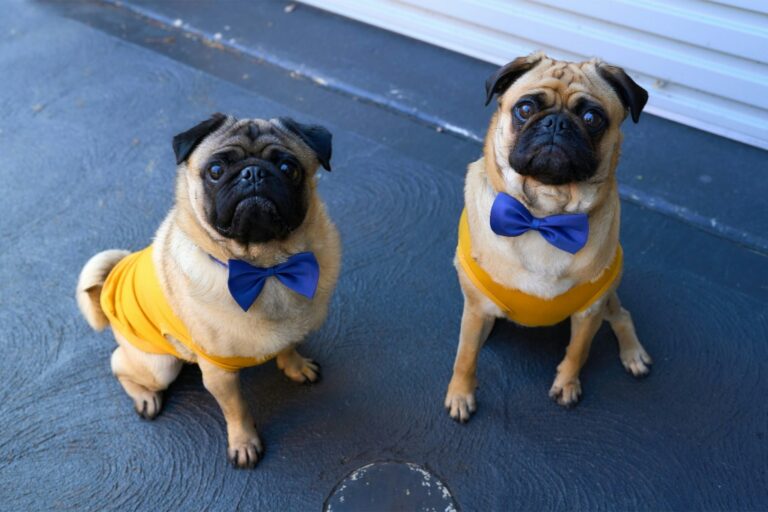
Dressing dogs has become a popular trend among pet owners, with many opting for stylish outfits, accessories, and costumes to showcase their furry friends. However, it is essential to be aware of the significant downsides associated with this practice. While some dogs may tolerate or even enjoy wearing clothes, many others experience discomfort, stress, or anxiety when dressed up. The act of putting clothing on a dog can lead to undesirable behaviors, such as excessive scratching, hiding, or even aggression, as the animal tries to communicate its unease.
From a health standpoint, wearing clothing can restrict a dog’s natural movements, especially if the fit is not appropriate. This restriction can manifest in behaviors that signify distress, such as whining or trying to remove the clothing. For instance, a dog that previously loved playing fetch may suddenly refuse to engage when dressed in a bulky sweater, highlighting that not all dogs are suited for apparel. Moreover, clothing can interfere with a dog’s natural body language, making it challenging for them to express themselves effectively.

The Potential Discomfort of Dog Clothing
When it comes to dog clothing, fit is crucial. Ill-fitting garments can cause significant discomfort, leading to stress and anxiety in dogs. For example, a dog that is dressed in a costume that is too tight may exhibit signs of agitation, such as whining or trying to wriggle out of the clothing. On the other hand, clothing that is too loose can pose a tripping hazard, especially during active play. Many dogs show visible signs of discomfort when their clothing does not fit properly, indicating that this is an important consideration for pet owners.
Additionally, certain clothing styles, particularly those that are restrictive like harnesses or elaborate costumes, can affect a dog’s ability to move freely. Dogs that are not accustomed to wearing clothes may feel anxious and stressed, leading to negative behaviors, such as hiding or reluctance to engage in play. It’s important to recognize that each dog is unique, and their comfort and well-being should always come first when considering apparel.
Choosing the Right Fit and Size
Choosing the right size and fit is paramount when selecting dog clothing. Clothing that is too tight can restrict circulation and cause discomfort, while loose garments can lead to tripping hazards. To ensure a proper fit, owners should take accurate measurements of their dog’s neck, chest, and length, as sizing standards can vary significantly between brands. This attention to detail is especially important for sensitive breeds that may be more prone to skin irritations and rashes caused by poorly fitting clothing.
Materials also play a vital role in comfort; stretchy fabrics may provide a better fit than stiffer ones, allowing for more freedom of movement. Dog owners should always refer to sizing charts and consider feedback from other dog parents to gauge how well a particular brand’s clothing fits. Taking the time to find the right fit can prevent discomfort and enhance the overall experience of dressing a dog.
Weather Considerations
Weather conditions significantly impact the appropriateness of dog clothing. In colder climates, certain breeds, such as Greyhounds or Chihuahuas, may require clothing for added warmth due to their low body fat and short fur. Conversely, in hot and humid conditions, dressing dogs can exacerbate heat stress, making it essential for owners to prioritize breathability and moisture-wicking fabrics. For instance, a dog wearing a heavy sweater in summer can quickly overheat, leading to severe health risks.
When dressing dogs for various weather conditions, it’s crucial to consider not only the temperature but also the humidity and direct sunlight exposure. Dogs acclimated to specific temperatures may struggle if suddenly dressed improperly for weather changes. Investing in seasonal outfits, such as cooling vests for summer and insulated jackets for winter, can greatly enhance a dog’s comfort and well-being.
 Breed-Specific Clothing Needs
 Breed-Specific Clothing Needs
Different dog breeds have varying needs when it comes to clothing. For example, smaller breeds with little body fat, like Chihuahuas, may require additional clothing for warmth, while larger breeds with thick fur, such as Huskies, typically do not need any extra layers and can easily overheat if dressed. Understanding these breed characteristics helps pet owners make informed choices regarding dressing their dogs.
Additionally, mixed-breed dogs may have unique needs based on their individual characteristics. For instance, a mixed breed dog with a short coat may benefit from a warm jacket, while another with a long coat may need clothing that prevents tangling or matting in the fur. Recognizing these differences is key to ensuring that each dog is comfortable and safe when it comes to apparel.
Health Implications of Dog Clothing
 Health Implications of Dog Clothing
Some clothing materials can pose health risks for dogs, leading to allergic reactions that cause itching and discomfort. For instance, if a dog is dressed in a fabric that irritates their skin, they may scratch excessively, potentially leading to infections. It’s critical for dog owners to monitor for unusual behaviors or skin reactions after dressing their pets. Regular checks for signs of discomfort, such as licking or biting at their clothing, can help prevent more serious health issues down the line.
Consulting with a veterinarian about the best types of clothing for dogs with known sensitivities is always a wise step. By being proactive and informed, owners can mitigate risks and ensure that dressing their dog is a positive experience rather than a source of distress.
The Role of Dog Behavior and Training
The introduction of clothing can lead to behavioral changes in dogs. Some may exhibit increased anxiety or reluctance to engage in play when dressed, highlighting the importance of proper acclimatization. Training can be a valuable tool in helping dogs become comfortable with wearing clothes. For instance, gradual introductions to clothing in short sessions can help reduce anxiety. Positive reinforcement techniques, such as treats and praise, can encourage dogs to accept clothing more readily.
Training methods that focus on creating a positive experience around dressing can significantly improve a dog’s comfort level. Programs like those offered by Dayton Off Leash K9 Dog Training can provide guidance on effectively introducing clothing to dogs, ensuring that they adapt to apparel in a way that feels safe and rewarding.
Final Thoughts on Dressing Your Dog
While dressing your dog may seem like a fun and fashionable choice, it is essential to consider the potential discomfort and health risks involved. Owners should prioritize their dog’s comfort and well-being over the latest trends in pet fashion. By being mindful of fit, materials, weather conditions, and breed-specific needs, dog owners can make informed decisions that enhance their pets’ quality of life. For expert training tips that help your dog become more comfortable in various situations, including wearing clothes, visit Dayton Off Leash K9 Dog Training for more details.
Would you like a certified trainer to contact you?