

Successfully Navigate the Service Dog Registration Process
Learn how to navigate the registration process for service dogs, including legal requirements, training, and common misconceptions.

Understanding the Process of Registering a Service Dog
1. Definition of Service Dogs
Service dogs are specially trained animals that assist individuals with disabilities by performing specific tasks related to their owner’s condition. This distinguishes them from emotional support animals, which provide comfort but are not trained to perform tasks. For example, a service dog might alert a person with diabetes to low blood sugar levels or guide a visually impaired individual through busy environments. Under the Americans with Disabilities Act (ADA), service dogs are granted access to public spaces, including restaurants and public transportation, regardless of “no pets” policies.
These dogs can assist individuals with a wide range of disabilities, including physical, sensory, psychiatric, and intellectual conditions. The training they undergo is tailored to the unique needs of their handlers, ensuring they can provide effective assistance in various situations. This specialized training is critical for the safety and independence of the person relying on the dog’s help.

2. Legal Requirements for Service Dog Registration
According to the ADA, there are no legal requirements for service dogs to be registered or certified. Businesses are allowed to ask only two questions: whether the dog is a service animal and what tasks it performs. While documentation like proof of training may be helpful in some situations, it is not legally mandated. Additionally, the Fair Housing Act and the Air Carrier Access Act provide further protections for service dogs in housing and during air travel.
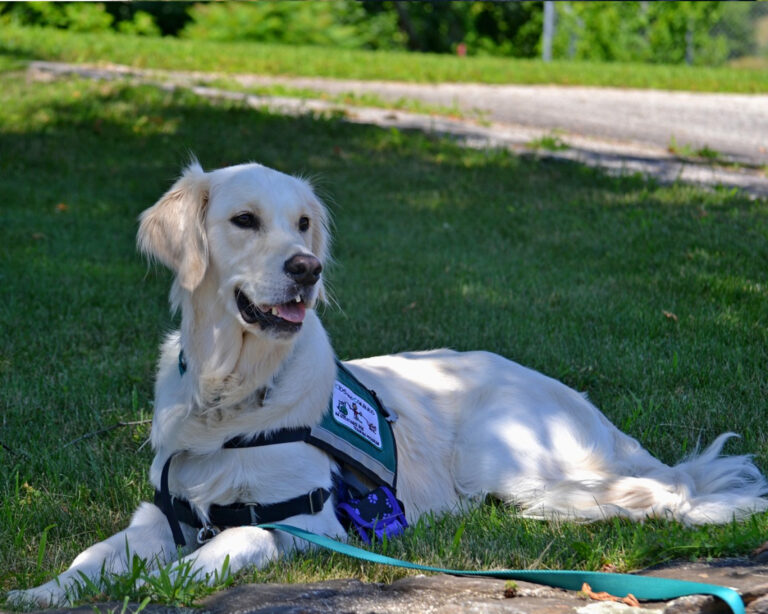
Service dogs do not require specific identification, but having a vest or ID card can facilitate smoother interactions in public spaces. It’s important to understand local and state regulations regarding service animals, as they can vary and may offer additional rights or responsibilities to handlers.
3. Steps to Register a Service Dog
To begin the process of registering a service dog, assess your dog’s training and ensure it performs tasks that mitigate your disability. Contact reputable organizations that specialize in service dog training and certification for guidance on navigating the registration process. For instance, organizations like the Service Dog Project provide training and support for both dogs and their handlers.
Gather necessary documentation, including letters from medical professionals that outline your need for a service dog and any training certificates that demonstrate your dog’s capabilities. Researching local service dog training programs can also help you find one that meets your needs and aligns with your dog’s skills. Networking with other service dog owners can provide valuable insights and support throughout this journey.
 4. Importance of Proper Training for Service Dogs
 4. Importance of Proper Training for Service Dogs
Proper training is crucial for service dogs to ensure they can perform their tasks reliably in various environments. Training programs should cover obedience, public access skills, and specific task training tailored to the handler’s requirements. For example, Dayton Off Leash K9 Dog Training offers specialized training that prepares service dogs for real-world interactions and challenges.
Continuous training is vital for maintaining a service dog’s effectiveness over time. Reinforcement of skills and regular socialization help ensure that the service dog remains calm and focused in public settings, which is essential for both the dog and the handler. Additionally, behavior management training is an important aspect that ensures service dogs can handle distractions and maintain their composure in diverse situations.
5. Common Misconceptions about Service Dog Registration
One prevalent misconception is that service dogs must wear vests or carry identification, which is not required under the ADA. Another common myth is the belief that service dogs must be registered with a national database, which is not legally necessary. These misunderstandings can lead to discrimination against service dog handlers in public spaces.
Additionally, some individuals incorrectly assume that emotional support animals have the same legal rights as service dogs, which they do not. Understanding the distinctions between service dogs, therapy dogs, and emotional support animals can help clarify rights and access, preventing confusion among the public and businesses.
6. Resources for Service Dog Owners
Local training facilities and support groups can provide valuable resources for service dog owners. Online platforms also offer guidance on training techniques, legal rights, and tips for navigating public spaces with a service dog. Organizations like Dayton Off Leash K9 Dog Training not only offer training programs but also provide consultations and resources for behavior management.
National organizations often publish educational materials and advocate for service dog rights and training standards. Networking with other service dog owners can create a supportive community, allowing for the exchange of experiences and advice related to training and public interactions.
7. Understanding Your Rights and Responsibilities as a Service Dog Handler
 7. Understanding Your Rights and Responsibilities as a Service Dog Handler
As a service dog handler, you have the right to access public places with your service dog, as protected by the ADA. However, it is essential to ensure that your service dog is well-behaved and does not disrupt public spaces. Handlers must also be aware that they cannot demand service dog access in environments where the dog poses a health or safety threat.
Moreover, handlers are responsible for the care of their service dogs, which includes regular veterinary check-ups and proper nutrition. Understanding how to handle confrontations regarding service dog access can protect your rights and help promote awareness about the role of service dogs in society.
8. Conclusion and Call to Action
Registering a service dog requires an understanding of legal requirements, proper training, and addressing common misconceptions about service animals. For effective training and support, consider exploring Dayton Off Leash K9 Dog Training’s services to ensure your service dog is well-prepared for their vital role. Visit Dayton Off Leash K9 Dog Training for more information on training programs and to schedule a consultation.
Would you like a certified trainer to contact you?