
As a trainer with Off Leash K9 Training Dayton, I love seeing a dog nail a solid sit, a clean heel, or real off-leash reliability in the park. But if you want one of the most honest “real life” indicators of progress, look at what happens during a wellness exam. The vet’s office is full of unfamiliar smells, slippery floors, new people, handling, and sometimes nerves. That combination makes a wellness exam a surprisingly accurate snapshot of your dog’s obedience training, emotional control, and confidence.
In this post, I’ll explain what a wellness exam can reveal about training progress, how professional dog training supports better veterinary visits, and how a great local clinic like Pet Clinic of Urbana fits into the bigger picture of your dog’s long-term health and behavior transformation.
Why a Wellness Exam Is a Training Reality Check
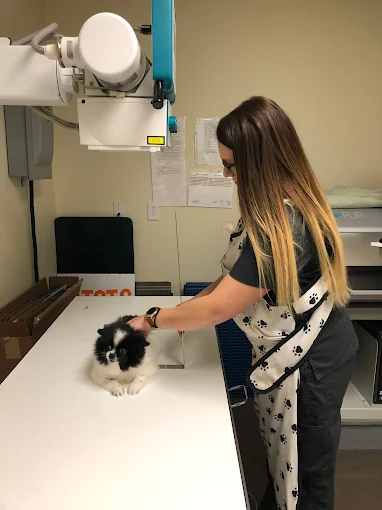
A wellness exam asks your dog to do the hardest version of “good behavior”, staying calm when the environment is unpredictable. From my perspective at Off Leash K9 Training Dayton, a wellness exam often reveals whether your dog’s training is truly generalized beyond home.
During a wellness exam, I’m watching for:
-
Impulse control in the lobby and exam room
-
Dog confidence when approached and handled
-
Leash manners under pressure, not just in quiet areas
-
Ability to recover quickly if something startles them
-
Willingness to take direction from you when stressed
A dog doesn’t have to love the vet. But a dog with a strong training foundation can move through a wellness exam without escalating into panic, thrashing, or defensive behavior.
What Your Dog’s Behavior at the Vet Might Be Telling You
Owners sometimes assume a rough wellness exam means their dog is “being stubborn.” Most of the time, it’s not stubbornness, it’s lack of clarity, confidence, or practice in high-distraction environments.
Here are a few common wellness exam signals I see:
1) Pulling or scanning nonstop in the lobby
This usually points to overstimulation and weak focus around distractions. It’s a training opportunity, not a personality flaw.
2) Freezing on the scale or exam table
That can be uncertainty with new surfaces, handling, or restraint. Confidence building and slow exposure help a lot.
3) Mouthy behavior, jumping, or frantic movement
Often a sign of poor impulse control. Dogs need structured outlets and clear rules that carry into new places.
4) Growling or snapping during handling
This can be fear-based, pain-related, or both. A wellness exam can help rule out discomfort, and training can address the emotional response through safer, step-by-step behavior modification.
If you want a helpful mindset shift for owners who feel discouraged, I often point people to Gratitude Towards Dogs: Training Lessons That Change Lives because it highlights how consistency and patience compound into real behavior transformation over time.
How Veterinary Care and Training Support Each Other
A wellness exam is not just medical. It’s informational for training too. Vets can catch issues that directly affect behavior and performance in obedience training, such as joint pain, dental discomfort, ear infections, or digestive issues.
Here’s how I’ve seen veterinary care and training work together best:
-
A wellness exam identifies physical discomfort that may be driving avoidance or reactivity
-
Training improves handling tolerance and cooperative behavior, making vet care safer
-
Owners get a clearer plan when health and behavior are addressed at the same time
That’s one reason I’m glad Dayton-area owners have options like Pet Clinic of Urbana. If you need to schedule a visit or ask questions about your dog’s wellness exam needs, you can contact Pet Clinic of Urbana here. They’re located at 1053 N. Main Street, Urbana, OH 43078, and you can reach them at 937-508-4556 or by email at [email protected].
Training That Makes Wellness Exams Easier
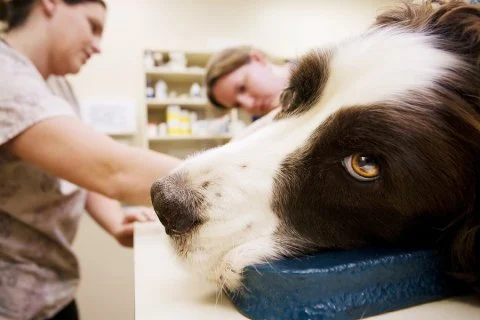
At Off Leash K9 Training Dayton, we build skills that directly translate to better wellness exam experiences. Dogs do better when they know how to “turn off,” hold position, and trust direction even when they’re unsure.
Programs that tend to help the most include Board and Train for intensive structure and repetition, and Basic Obedience for clear foundations like leash manners, place, and impulse control. If you want to see options, I suggest browsing our Dog Training Programs to choose the right fit.
Skills that support a smoother wellness exam include:
-
Calm leash walking into and out of the building
-
Settling on command (place or down) while waiting
-
Reliable “leave it” around dropped items and distractions
-
Cooperative handling practice at home, ears, paws, collar grabs
-
Confidence work in new environments
If your routine gets thrown off by weather and schedule changes, the strategies in Winter Training: Why Cold Months Are Prime for Progress can help you keep momentum so your dog is not only trained at home, but consistent everywhere.
Quick Checklist Before Your Next Wellness Exam
Before your dog’s next wellness exam, I recommend practicing these simple steps:
-
Do a short walk first, so your dog arrives calmer
-
Bring high-value treats and reward calm behavior
-
Practice brief “stand” and “place” reps at home the week prior
-
Keep the leash short but loose, avoid constant tension
-
If your dog is fearful, ask your vet about low-stress handling options
A wellness exam should not feel like a battle. With the right training routines and support, it becomes another moment your dog can succeed.

Final Thoughts
A wellness exam reveals more than your dog’s physical health. It often reveals how well your dog can stay regulated under pressure, how strong their obedience training really is, and whether their confidence is growing. When professional dog training and veterinary care work together, dogs become easier to handle, safer in public, and more comfortable in the situations that used to stress them out.
If your dog struggles during a wellness exam, or you want more off-leash reliability and calmer behavior in real-world environments, I’d love to help. I encourage local owners to reach out to Off Leash K9 Training Dayton so we can talk through the right plan for your dog.
Would you like a certified trainer to contact you?
"*" indicates required fields
