
When the temperature drops, many dog owners assume it’s time to pause training until spring. Shorter days, icy sidewalks, and cold weather can make it tempting to stay indoors. But in reality, winter is one of the best times to focus on your dog’s obedience and behavior.
With fewer distractions, structured routines, and more indoor time, winter gives you the perfect chance to strengthen commands, deepen your bond, and build focus that lasts all year long.
Why Winter Is Great for Training
Colder months offer a quieter environment. Parks, trails, and sidewalks are less crowded, meaning fewer distractions for you and your dog. That makes it easier to reinforce recall, loose-leash walking, and off-leash control without the chaos of a busy day.
Indoor time also creates opportunities to reinforce manners like polite greetings and waiting calmly at doors. If you need a little variety, our post on games and drills to make leash training fun and effective offers creative ways to keep your dog engaged year-round.
Build Confidence in Challenging Conditions
Winter weather presents unique distractions, from blowing snow to new scents. These are excellent chances to work on focus and confidence. When your dog learns to follow commands in unpredictable conditions, their obedience will shine once the weather warms up.
Dogs who stay mentally stimulated during winter also experience fewer behavioral issues like boredom chewing or restlessness.
Our Basic & Advanced Obedience Program is designed to build reliability and focus in all seasons, helping dogs succeed whether they’re indoors or out.
Explore our Basic & Advanced Obedience Program
Stay Consistent, Even Indoors
You don’t need perfect weather to make progress. Short, focused indoor sessions can be just as productive as long outdoor ones.
Easy indoor training ideas:
- Practice the “place” command while you cook or watch TV
- Reinforce recall in hallways or living rooms
- Work on leash manners around furniture or doorways
- Reward calm behavior during guests’ visits
Five minutes of focused work each day keeps your dog sharp and prevents regression during winter.
Checklist: Winter Training Essentials
Before starting a winter training session, make sure you’re ready with the right tools and precautions:
- Use slip-resistant footwear for outdoor sessions
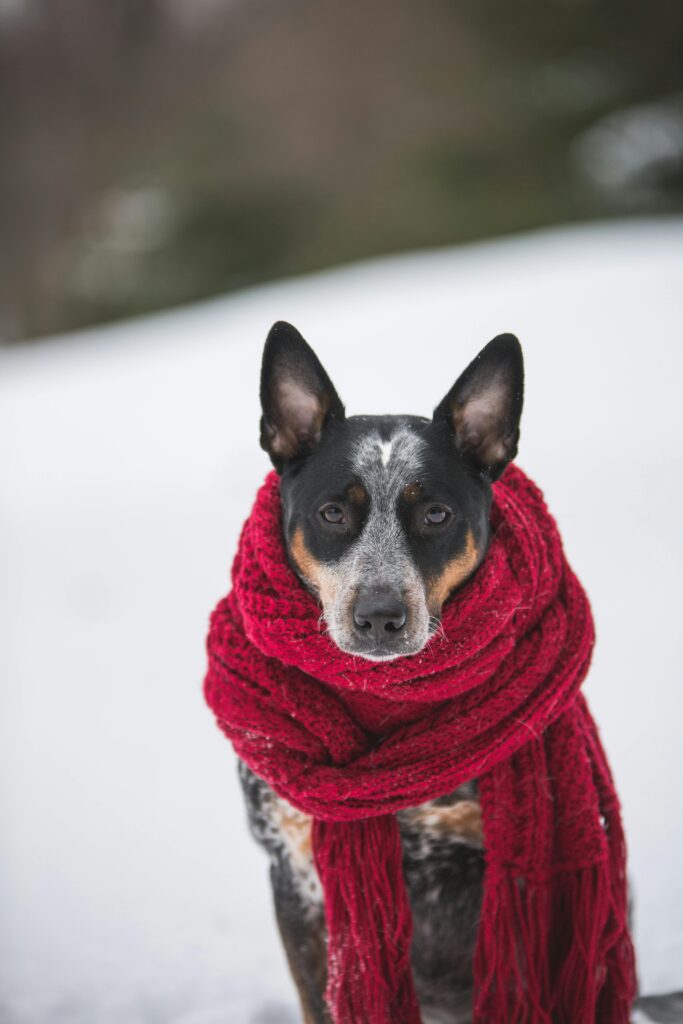
- Dress your dog for warmth, especially short-haired breeds
- Keep outdoor sessions short and upbeat
- Use high-value treats that won’t freeze
- Reward effort and focus often
- Dry your dog’s paws and fur after walks
- Alternate between indoor and outdoor work
Preparation ensures comfort, consistency, and safety for both you and your pup.
Keep the Mind Active
When outdoor time is limited, mental enrichment is just as important as physical exercise. Incorporating trick training, problem-solving toys, or scent games can keep your dog’s brain busy even on snow days.
Our post on unlocking your dog’s potential through game-based learning explains how to combine structure with fun to boost focus and confidence.
Expert Resource: Training With Rewards
The AKC’s guide to training with rewards highlights how positive reinforcement motivates dogs and strengthens obedience. It’s an excellent reminder that even short winter sessions can create lasting progress when paired with the right rewards.
FAQ: Winter Dog Training
Q: Is it okay to train outdoors in the cold?
A: Yes, as long as you keep sessions short and your dog is comfortable. Always monitor for signs of shivering or paw discomfort.
Q: Can indoor training replace outdoor practice?
A: Absolutely. Indoors is perfect for focus work, impulse control, and obedience under distraction.
Q: What if my dog refuses to go outside?
A: Start with short potty breaks and use positive reinforcement. Gradually increase exposure to help them adjust.
Q: Are obedience programs useful during winter?
A: Definitely. Structured programs like our Basic & Advanced Obedience course help dogs maintain discipline year-round.
Q: How can I prevent winter boredom?
A: Mix obedience drills with games, puzzles, and short daily walks to keep your dog mentally and physically active.
Final Thoughts
Winter doesn’t have to mean a break from progress. With consistency, patience, and creativity, cold months can be your dog’s most productive training season yet.
Stay active, keep training sessions fun, and use the extra indoor time to strengthen your bond. Your dog will enter spring more confident, calm, and reliable than ever.
Contact Off Leash K9 Training Dayton today to make this winter your dog’s season of success through obedience and structure.
